
Education & Resources
We want your adoption to be successful from Day 1 and every day after. Below are helpful guides to support you — from settling in and navigating rental policies to keeping your dog safe at home.
Transitioning Your Dog
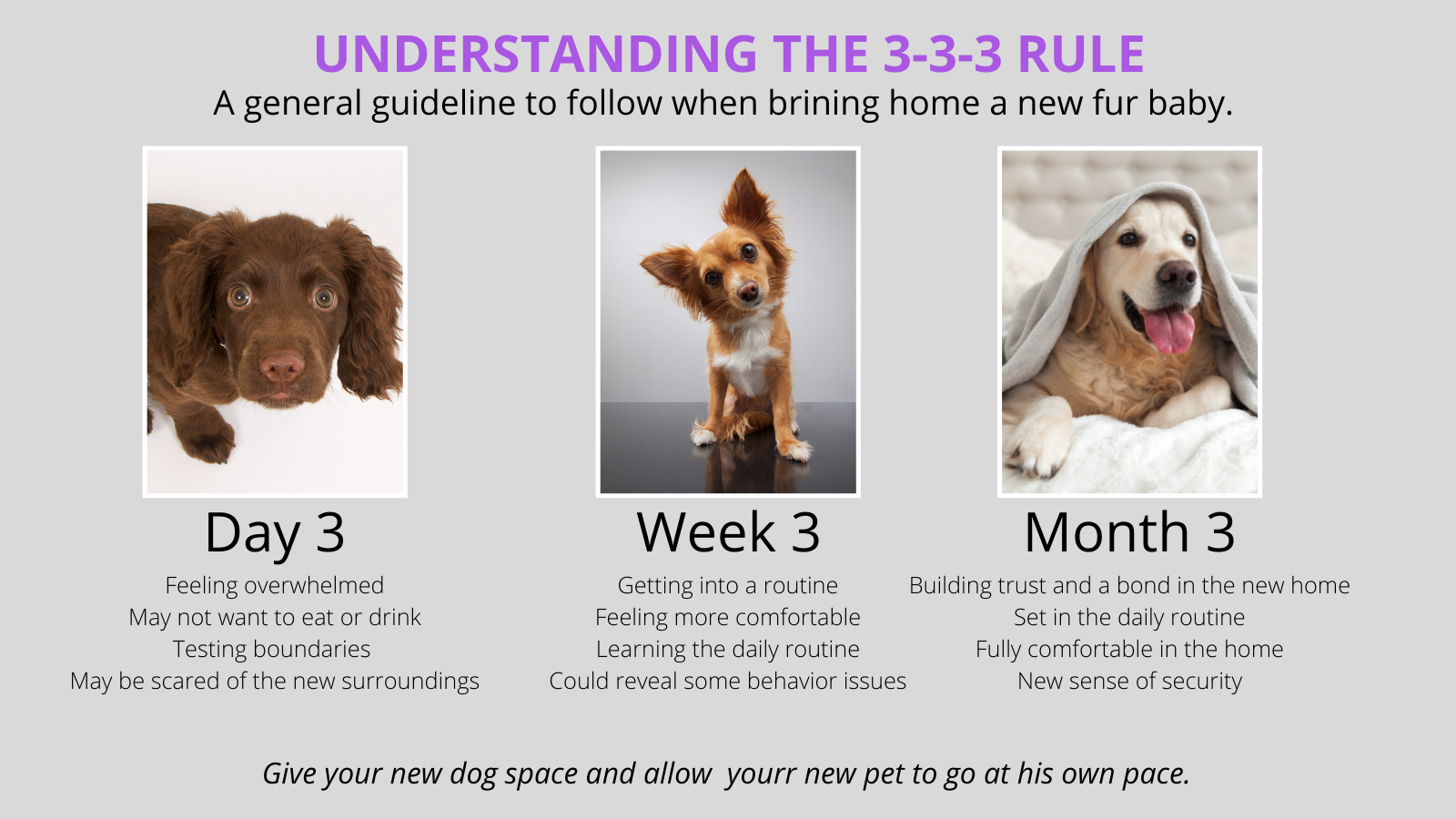
Understanding the 3-3-3 Rule
Bringing home a rescue dog is exciting — but it’s also an adjustment for them.
Many dogs need time to decompress, learn your routine, and build trust. The 3-3-3 rule is a helpful guideline to understand what your dog may experience during the first 3 days, 3 weeks, and 3 months.
Patience and consistency make all the difference.
Breed & rental consideerations

Knowing Common Breed Restrictions in Apartments
Before adopting (or when moving), it’s important to check with your landlord about pet policies and breed restrictions. Even mixed breeds can be subject to restrictions.
Breed restrictions vary by property and may also include size or weight limits.
Planning ahead helps prevent future heartbreak and ensures your adoption is a lifelong success.
Commonly Restricted Breeds May Include:
Pit Bull–type breeds (American Pit Bull Terrier, American Staffordshire Terrier, Staffordshire Terrier, American Bulldog)
German Shepherds
Akitas
Rottweilers
Boxers
Doberman Pinschers
Mastiff breeds
Alaskan Malamutes
Cane Corsos
Huskies
Chow Chows
Wolf hybrids
Great Danes
Always confirm directly with your landlord or property management company before adoption.
Food & Household Safety
Keeping Toxic Foods Away From Your Dog
Many everyday foods that are safe for people can be dangerous — even life-threatening — for dogs. Be mindful of what is left within reach and always supervise around food.
Common Foods & Items That Are Toxic to Dogs:
Onions, garlic, and chives
Chocolate
Macadamia nuts
Corn on the cob
Avocado
Artificial sweeteners (especially Xylitol)
Alcohol
Fat trimmings and cooked bones
Grapes and raisins
Coffee, tea, and caffeine products
Milk and dairy products
Persimmons, peaches, and plums (pits)
Raw eggs Salty foods (chips, pretzels, etc.)
Yeast dough
If your dog ingests something potentially toxic, contact your veterinarian immediately or call the ASPCA Animal Poison Control Center: (888) 426-4435
Health & Preventative Care
Keeping your dog healthy isn’t just about vet visits — it’s about consistency and prevention.
Routine Wellness
Annual veterinary exams (twice yearly for seniors)
Keeping vaccinations up to date (Rabies, DHPP; others as recommended by your vet)
Routine fecal testing
Keep the microchip contact information updated
Heartworm Prevention
Monthly heartworm prevention is essential in Ohio
Annual heartworm testing is recommended
Mosquitoes carry heartworm — even indoor dogs are at risk
Flea & Tick Prevention
Year-round preventative care is strongly encouraged
Ticks can carry Lyme disease and other illnesses
Spay/Neuter
All Cause for Canines dogs are spayed or neutered before adoption (unless age or medical status requires otherwise). This helps prevent unwanted litters and supports long-term health.
Dental Care
Regular dental checks
Dental chews or brushing when tolerated
Dental disease can affect the heart and other organs
Weight & Nutrition
Maintain a healthy body weight
Avoid overfeeding or excessive treats
Ask your vet before switching foods
When in doubt, your veterinarian is your best resource. A healthy dog — and consistency makes all the difference.
Routine care helps every rescue thrive.
Emergency Signs
When to Seek Immediate Veterinary Care
Contact your veterinarian right away if your dog experiences:
Difficulty breathing
Collapse or extreme lethargy
Persistent vomiting or diarrhea
Possible toxin ingestion
Severe injury
Training Resources
Bringing a rescue dog home is a journey. Training builds confidence, structure, and trust — for both you and your dog.
Use positive reinforcement (reward the behaviors you want to see)
Keep sessions short and consistent
Be patient during the adjustment period (remember the 3-3-3 rule)
Seek professional help if behavior concerns arise
If you need guidance, we’re happy to recommend trusted, positive-based local trainers.

We’re Here to Help
If you have questions about training, behavior, adjustment, or anything else — contact us anytime. You don’t stop being part of the rescue family after adoption. We’re here for you.